
Glorification of violence
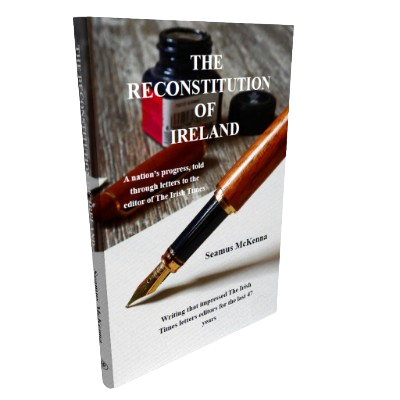
This is an extract from The Reconstitution of Ireland
In May 1996 a report appeared in the Irish Times about a speech that Dustin Hoffman had given at the 49th Cannes Film Festival, in which he criticised the level of violence in movies and on TV. The actor was quoted as saying that “Commerce and violence are mixed together now in a way like I’ve never seen before in my lifetime.”
The report said that Hoffman drew a connection between film and video violence and massacres in Port Arthur, Australia, and in Dunblane, Scotland, in the same year. He echoed comments made by the Irish film censor, Mr Sheamus Smith, when he rejected the violent US film From Dusk till Dawn.
In Ireland now, according to the Irish Film Censor’s Office (IFCO) only the 2014 remake of From Dusk till Dawn as a TV series is classified. Various episodes are rated as suitable for either 15 and over or 18 and over. The 1996 film is available to purchase as a download on YouTube, and there is no mention of it on the Irish Film Censor’s Office (IFCO) website.
According to a BBC News report of 2010, the Dunblane shooting led to strict controls over firearms in the UK which, among other things, made it illegal to buy or possess a handgun. These changes were credited with making mass shootings in the UK “extremely rare”. Similarly, the Port Arthur massacre led to fundamental changes to Australia’s gun laws.
On May 18th 1996 Robert Dunlop had a letter in the Irish Times under the heading “Glorification of violence”. He agreed with Dustin Hoffman, and I had some sympathy for their argument as I read the letter, particularly as I had heard a high-ranking Garda say that, in his experience, criminals in Ireland were often influenced by films and TV in the way they handled their guns. Then I got to Mr. Dunlop’s suggestion that the Judeo-Christian ethic could be of assistance in reversing the perceived trend towards more violence in society. I had to respond.

